Beyond the Basics: What Makes a VPN 'Free' and Why Germany Matters
When a VPN advertises itself as 'free,' it's crucial to look beyond the alluring price tag. True anonymity and robust security come with a cost, and free VPNs often recuperate these expenses through less transparent means. This can include logging and selling user data to third-party advertisers, injecting ads directly into your browsing experience, or limiting bandwidth and server options to push users towards paid upgrades. Some even bundle malware or track your online activity for their own nefarious purposes. Therefore, understanding the underlying business model is paramount. A truly private and secure VPN cannot sustain itself without a reliable revenue stream, and when that stream isn't coming from your subscription, it's likely coming from your data.
Germany's significance in the VPN landscape stems from its strong data protection laws and commitment to digital privacy, making it an attractive location for companies prioritizing user security. Unlike some jurisdictions with more lax regulations, Germany's legal framework, including the GDPR and its national implementing laws, offers a level of protection that can be a significant advantage for VPN providers and their users. This means that VPNs headquartered or operating servers within Germany are often held to a higher standard regarding data retention and user anonymity. While a German server doesn't guarantee a 'free' VPN is safe, it adds a layer of legal accountability that can be beneficial, especially when considering the potential privacy compromises inherent in many no-cost services.
Many users are looking for a free VPN for Chrome to enhance their online privacy and access geo-restricted content. While there are numerous options available, finding a reliable and truly free VPN Chrome extension can be challenging, as some might have limitations on data or speed. It's crucial to research and choose a reputable provider to ensure your browsing experience remains secure and private.
Hands-On: Setting Up Your Free German VPN & Troubleshooting Common Hurdles
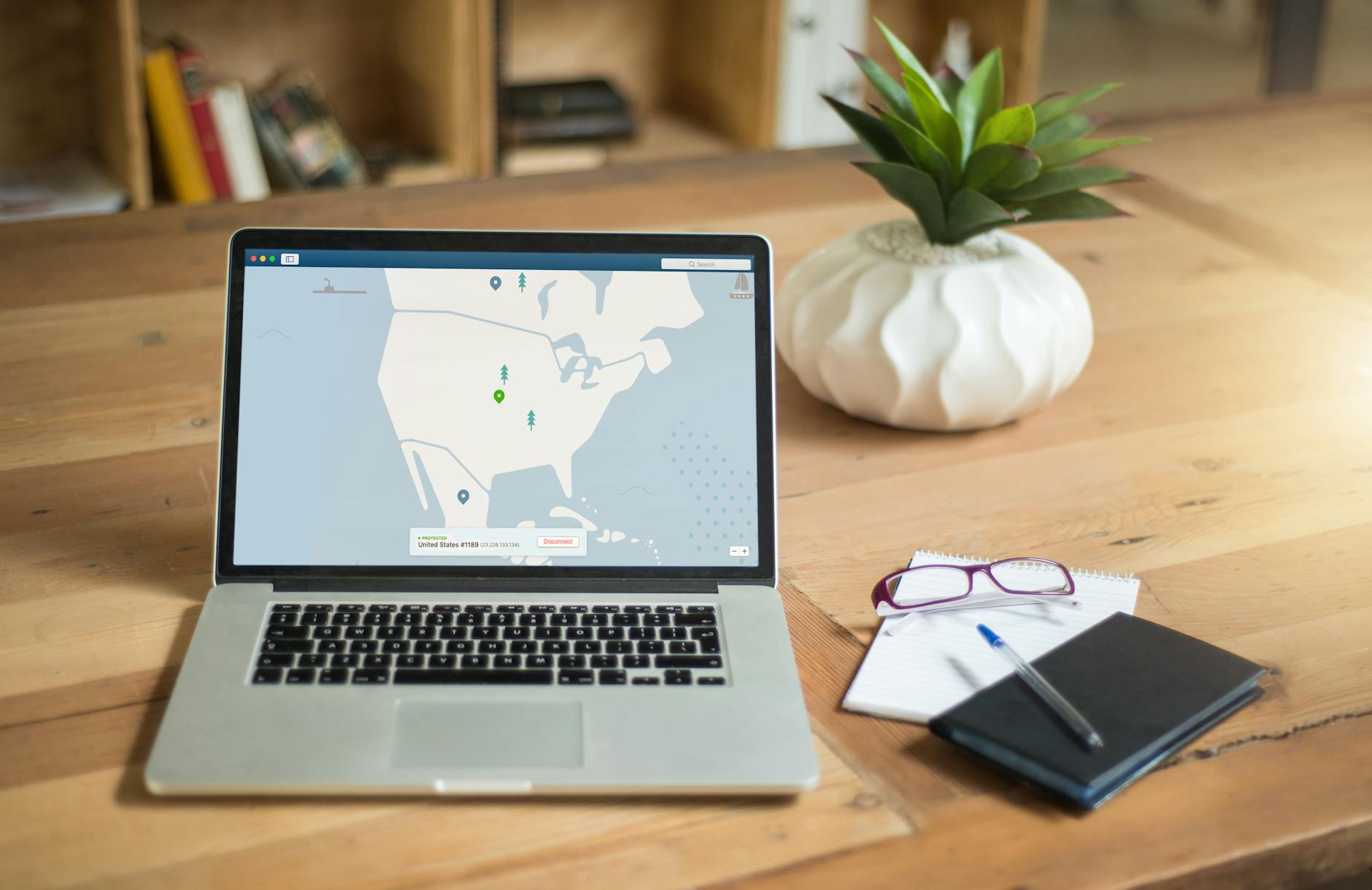
Embarking on the journey to establish your free German VPN doesn't have to be daunting. The initial setup typically involves a few straightforward steps, often guided by the provider's intuitive interface. First, you'll need to download the appropriate client software for your operating system (Windows, macOS, Android, iOS, etc.). Once installed, open the application and look for a server selection option. Here, you'll specifically want to choose a server located in Germany. Most free VPNs offer a simple 'connect' button; clicking this should initiate the connection. Keep an eye out for a confirmation message or an icon indicating a successful connection. Remember, while free VPNs are convenient, their server options and speeds might be more limited compared to premium alternatives, so managing your expectations is key.
Even with a seamless initial setup, you might encounter a few common hurdles when using a free German VPN. One frequent issue is a slow connection speed, often due to overloaded servers or bandwidth limitations inherent in free services. To troubleshoot this, try disconnecting and reconnecting, or if available, switch to a different German server. Another common problem is an inability to connect at all. This could be caused by your firewall blocking the VPN connection (check your firewall settings) or a temporary server outage (try again later). If you experience frequent disconnections, consider whether your internet connection is stable or if the VPN provider has usage limits. For persistent problems, consult the VPN provider's FAQ or support forums; many offer community-driven solutions for common issues, helping you get back to secure browsing quickly.